Struggling to understand the real earning potential of a CNC machinist1? The salary range is huge, making it hard to know the true value. I'll break down what determines their pay.
A CNC machinist's salary depends heavily on experience, skill, and location. In China, for example, an apprentice might earn 5,000-7,000 RMB per month. A true master machinist, who can also program, can command a salary of 20,000-28,000 RMB per month or more.
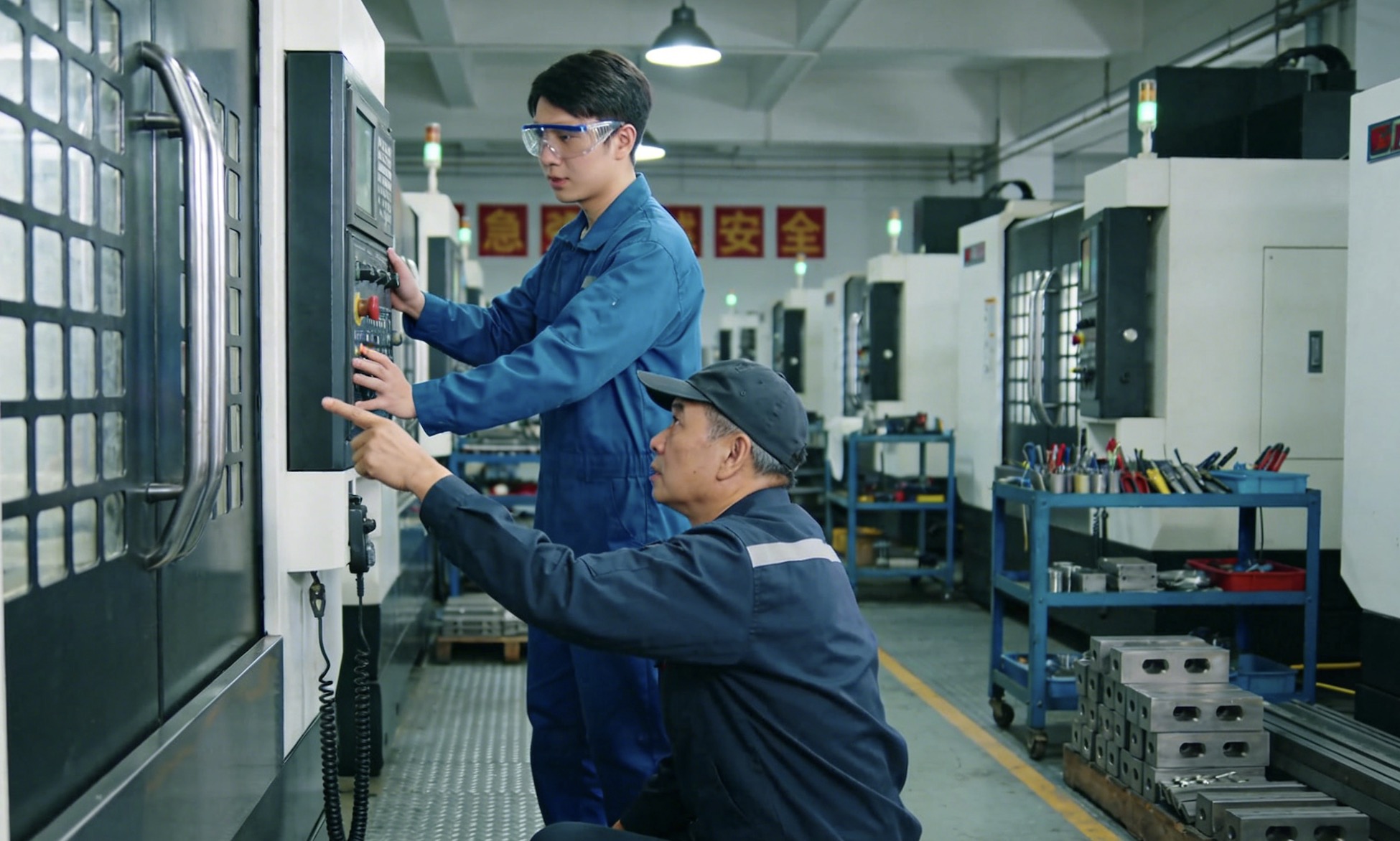
But a salary is just one part of the story. The real difference between an average machinist and a great one goes far beyond the paycheck. What skills and experience create that massive gap in value? Let's look closer at the roles and what truly matters in this industry. It's time to understand the journey from a beginner to an expert on the shop floor.
What Does a CNC Machinist Actually Do?
You see the job title, but do you know what the day-to-day work is really like? It might seem like just pushing buttons, but it's a complex, high-stakes job. I'll explain the real skills a machinist needs.
A CNC machinist sets up and operates computer-controlled machines to create parts. This involves reading blueprints, loading materials, running programs, and inspecting finished pieces for quality. They are the hands-on experts who turn digital designs into physical reality on the factory floor.
The Path from Apprentice to Master
In my 10 years in this business, I've seen machinists at every level. The journey from an apprentice to a master is long, but it's where true value is built. An apprentice starts with the basics. They learn to clean machines, deburr finished parts, and perform simple quality checks. Their main job is to support the senior machinists and absorb everything they can. As they gain confidence, they start doing basic machine setups and loading materials for simple jobs.
A mid-level machinist is much more independent. They can interpret complex blueprints, set up the machine for a new job without supervision, and select the right cutting tools. They can also troubleshoot common problems, like a broken tool or an unexpected surface finish issue. This is where they start to develop a feel for the machine and the materials.
A true master machinist, however, is on another level. These are the people who can operate the most complex 5-axis machines2 and work with difficult materials like titanium or Inconel. They don't just run programs; they optimize them on the fly. I remember a job for a medical device part. Our first run had a 15% scrap rate because of a tricky internal feature. My master machinist analyzed the tool wear and chip buildup. He then adjusted the G-code to change the cutting strategy and coolant pressure. The scrap rate dropped to under 1%. That is the kind of experience that saves a company thousands of dollars.
| Level | Key Skills | Salary Range (RMB/Month) | Impact on Business |
|---|---|---|---|
| Apprentice | Basic safety, machine cleaning, deburring, loading/unloading parts. | 5,000 - 7,000 | Supports production flow, keeps workspace efficient. |
| Mid-Level | Independent setups, reading blueprints, basic troubleshooting, tool selection. | 8,000 - 15,000 | Reliably produces quality parts, reduces need for supervision. |
| Master | 5-axis operation, difficult materials, on-the-fly optimization, mentoring. | 20,000 - 28,000+ | Drastically reduces costs, solves complex problems, increases capability. |
What Makes a CNC Programmer So Valuable?
Is a programmer just someone who writes code behind a desk? Their work directly impacts production efficiency, costs, and even machine safety. Let's explore the critical role a CNC programmer3 plays in any successful workshop.
A CNC programmer writes the code (G-code and M-code) that directs the machine's movements. They translate a CAD design into a precise set of instructions, dictating tool paths, speeds, and feeds for the most efficient and accurate manufacturing process possible.
Overcoming the "It Can't Be Done" Mindset
The best master machinists I know are also skilled programmers. This combination of hands-on experience and coding knowledge is incredibly powerful. They understand not just how the machine should move, but why. However, this deep experience can sometimes lead to a problem I call the "experience trap." An expert can become so confident in their past experiences that they are closed off to new possibilities.
I've had seasoned machinists tell me, "This process is impossible," or "If I can't make this, no one can." For example, I had a project for an aerospace client that required a very thin-walled aluminum housing. The first machinist I showed it to shook his head. He said, "The walls are too thin. The material will warp from the heat and vibration. I've seen it a hundred times." He was right, based on traditional methods. But I didn't want to accept "impossible." I did some research and came back with a simulation showing a new high-feed milling strategy. I also brought a sample part from another factory that used a similar technique. After a long discussion, he agreed to try it. It worked perfectly. The key wasn't to prove him wrong; it was to collaborate and find a new solution together. We can't let "we've always done it this way" stop us from innovating.
The Importance of Continuous Learning
This is why I believe so strongly in continuous training. You can't just rely on experience learned 10 years ago. Technology in our field moves too fast. We have to fight against the mindset that says a task is impossible. One of the best ways to do this is to expose your team to new ideas. We send our key people to trade shows like IMTS not just to look at new machines, but to see what our competitors are doing. When a machinist sees a live demonstration of a technique they thought was impossible, it opens their mind.
We also encourage our team to participate in professional skills competitions. These events push them to be creative and solve problems under pressure. They often come back with new tricks and a renewed sense of passion for their work. Investing in training and new experiences is not an expense; it's an investment in your company's capability. It builds confidence and ensures your team is always pushing the boundaries of what can be achieved, rather than being limited by what they've done before.
Conclusion
A machinist's true value isn't just a salary number. It's found in their experience, problem-solving skills, and a constant willingness to learn. Investing in good people is always the best decision.
Leave a Reply